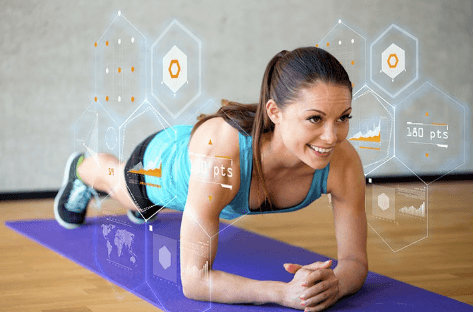
Wearable technology is changing fitness by continuously tracking metrics such as heart rate, steps, sleep, and VO2 max. These devices translate data into actionable, real-time insights that guide pacing, effort, and goal setting. They emphasize recovery and sleep quality to prevent burnout while offering benchmarks for sustainable progress. With accuracy and battery life in mind, users can build routines around core metrics and ethical data sharing, leaving important questions unanswered and inviting further exploration.
What Wearables Measure and Why It Matters for Fitness
Wearables capture a range of physiological and activity data that directly inform training decisions.
They monitor heart rate, steps, sleep, calories, and VO2 max estimates, providing benchmarks for effort and recovery.
Data accuracy matters for reliable plans, while battery life affects consistent monitoring.
Personalization: How Real-Time Feedback Shapes Your Training
Real-time feedback reframes training by translating immediate physiological signals into actionable adjustments. In this view, data informs pacing and effort without prescribing rigidity, enabling athletes to pursue personalized goals.
Real time heart rate tracking guides intensity, while adaptive pacing responds to fatigue, terrain, and recovery status. The approach emphasizes autonomy, measurable progress, and sustainable performance improvements through transparent, evidence-based guidance.
Recovery, Sleep, and Prevention: Reducing Burnout With Smart Insights
As athletes increasingly rely on data-driven insights from wearable technologies, attention shifts from pushing hard to sustaining healthy rhythms through recovery, sleep, and prevention of burnout.
Recovery insights from sensors highlight adaptive rest needs and load management, guiding pacing and recovery protocols.
Clear signals support burnout prevention by balancing training stress with restorative practices, promoting sustainable performance and personal freedom to perform.
Choosing Devices and Building a Data-Backed Routine
Selecting the right devices and translating data into a practical routine requires a clear framework: identify core metrics that align with performance goals, evaluate device accuracy and ecosystem compatibility, and establish a cadence for data review that informs training decisions without overreacting to short-term fluctuations.
Monitoring biomarkers guides adjustments; ethical data sharing preserves user autonomy while enabling transparency and informed choices for individuals seeking freedom.
Frequently Asked Questions
How Accurate Are Wearables Across Different Activities?
Wearable accuracy varies by activity, with stronger validity for steady metrics like heart rate and steps; activity variance—intensity, type, and movement—causes notable disparities, underscoring cautious interpretation and a demand for ongoing validation across contexts.
Can Wearables Replace a Professional Fitness Coach?
Can wearables replace a professional fitness coach? In general, no; they support guidance through wearable coaching, yet personalized nuance and motivation remain best provided by humans. Data ethics and ongoing interpretation ensure safe, autonomous, freedom-friendly fitness decisions.
Do Wearables Track Mental Fatigue or Stress Reliably?
Mental fatigue and stress reliability in wearables is moderate; devices offer proxies via HRV, skin conductance, and sleep metrics, but results vary. Judicious interpretation is advised, as data can be noisy, context-dependent, and not wholly diagnostic.
Are There Privacy Concerns With Wearable Data?
Yes, privacy concerns exist. Wearable data collection raises questions about privacy policies and data ownership, requiring clear user consent, transparent practices, and robust data protection measures to empower individuals while balancing research and innovation.
See also: How Virtual Reality Is Changing Entertainment
How Often Should I Recalibrate Devices for Best Results?
Approximately 1 in 4 users notice drift without recalibration; thus recalibration cadence matters. The balance: frequent recalibration can improve device accuracy trade offs, while infrequent adjustments preserve convenience. A data-driven approach supports personal cadence with consistent tracking.
Conclusion
Wearables glow like quiet dashboards on a trainer’s desk, mapping the body’s weather in real time. A heartbeat flickers with each interval, sleep drapes the night in soft graphs, and VO2 max climbs like a rising tide as effort settles into balance. Data breathes clarity into routines, guiding pacing and recovery with precise, ethical sharing. In this steady hum of metrics, athletes watch burnout recede, confidence sharpen, and sustainable progress unfold—an informed, visually coherent path to lasting fitness.


 By
By